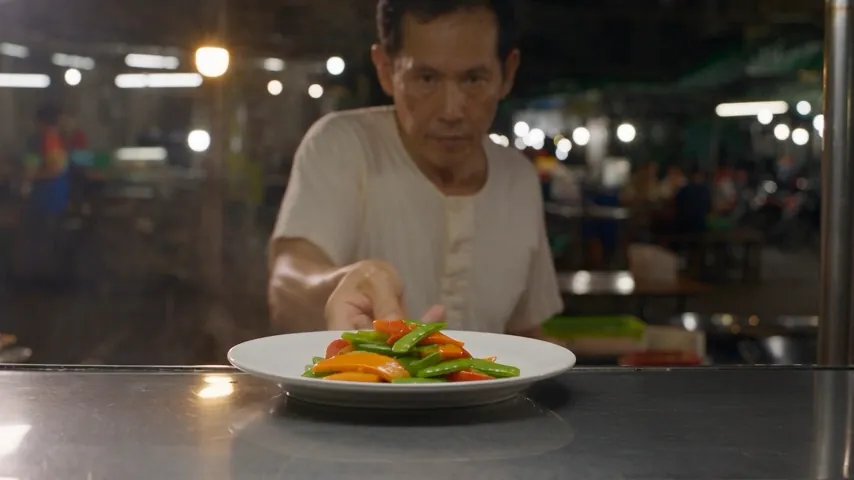
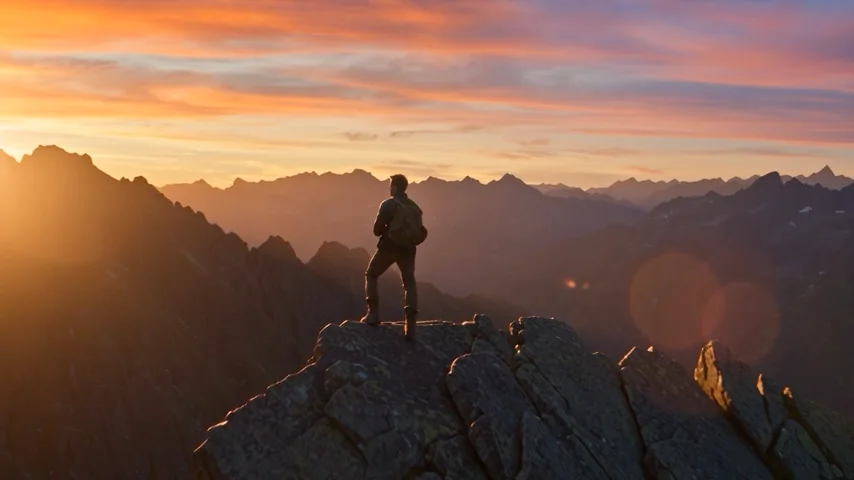
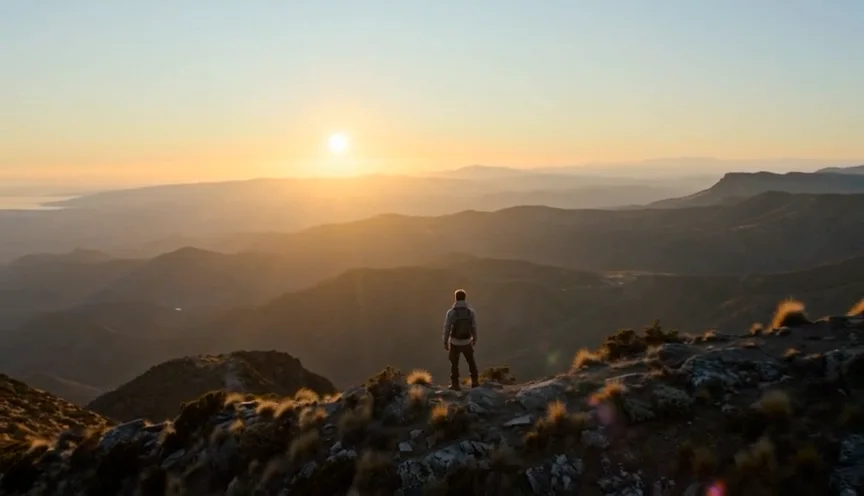
Six model lines. One director's desk.

Direct your Seedance AI video. Choose the right model.

Direct a first take from text, images or visual references. Compare Seedance, Kling, Wan, MiniMax H3 and Grok Imagine; the workspace reveals only the controls each model supports and the product credit cost before generation.

Concept study · camera-motion loop · not a listed-model output16:9
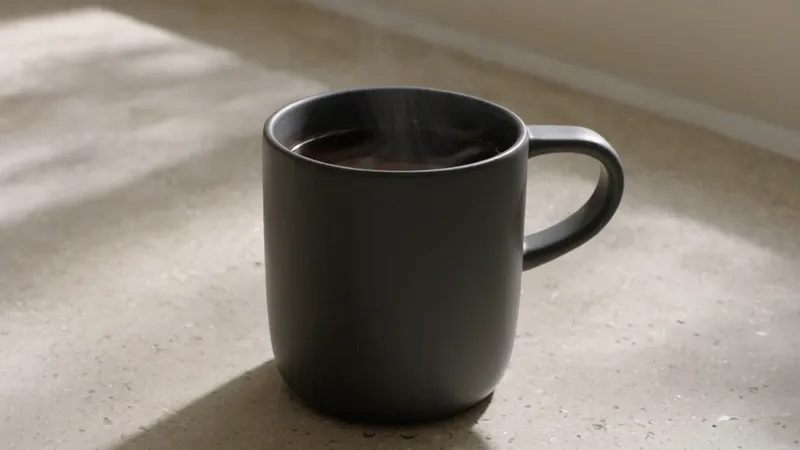
Smoked-glass ribbons curling around a brushed-metal core on a dark studio table
02 · Material change

Surface and transformation

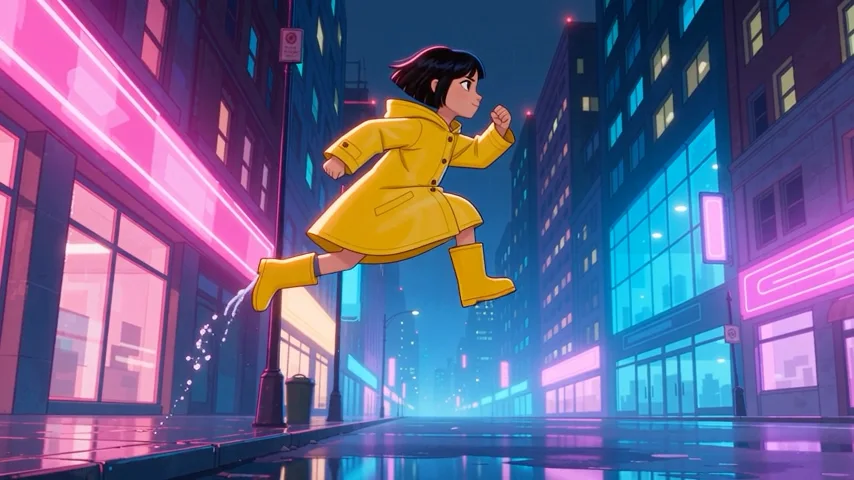
Blank paper sheets moving through a shallow-water brutalist passage at dawn
03 · World motion

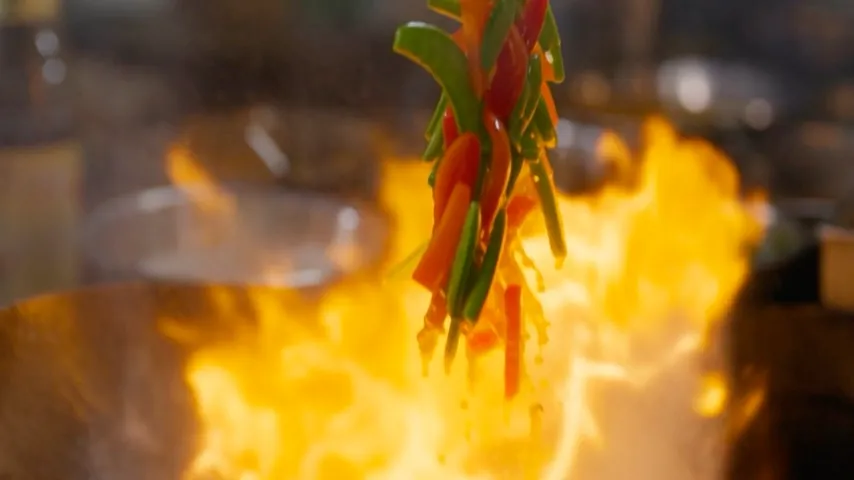
Space and direction

01

Human motion direction

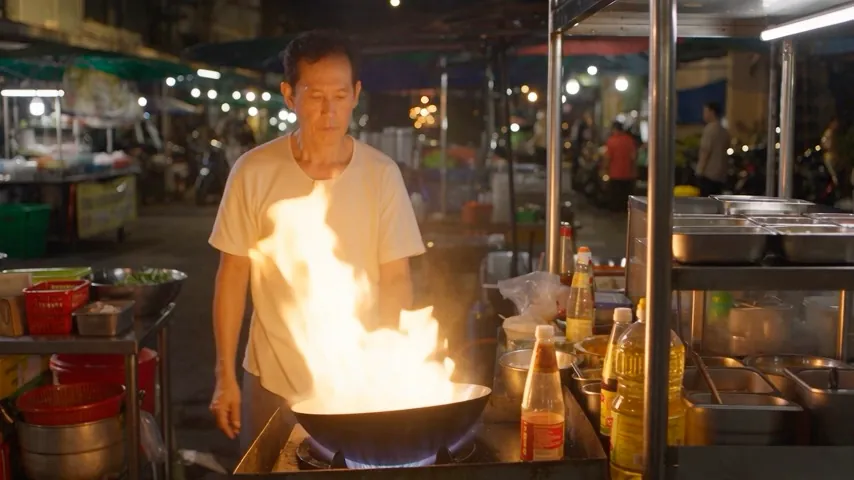
A decisive silhouette, visible fabric motion and directional light make the action readable before any settings are chosen.

Suggested model · Seedance 2.5Output setup · 720p · 5s · 16:9

Creative workspace

Build the shot while the idea is fresh.

Select a model, shape the prompt and see the exact product credit cost before signing in.

TAKE 01Seedance 2.5
Sign in to view creditsGenerate · 30 credits
Model
Prompt guide
Timecodes help structure longer shots.0/4000

The action shows the exact product credit charge for this model and these settings. Start at 480p, then move to 720p for a final render.

Output monitor16:9
An unbranded folding studio lamp opening around a glowing frosted center on a limestone workbench
Site-made object study · not a listed-model output

A distinct product-motion reference keeps the monitor useful without repeating the hero or later showcase.

480p · 5sCurrent product output
Audio onGenerated with the video
Generate · 30 credits
Failed provider tasks are automatically refunded after failure is confirmed.Independent service · model names belong to their respective owners
6 model linesSeedance 2.5/2.0 plus four current Kie-backed models
Model-aware controlsWorkflows, resolution, duration and audio reconcile automatically
Exact product creditsVisible before every generation

Seedance AI is an independent service using third-party API access. Model names and trademarks belong to their respective owners.

Know the settings and cost before you commit.

The workspace keeps every decision visible: supported model modes, compatible controls, available output sizes and the product credit charge.

01

Eight allowlisted model modes

Every visible product model maps to a reviewed server-side request adapter; arbitrary provider model IDs are rejected.

02

480p through 2K by model

Resolution options change with the selected model. The workspace does not merge upstream claims into one universal capability.

03

Compatible controls only

Workflow, aspect ratio, duration, image count and audio controls reconcile whenever the model changes.

04

Credits fixed before generation

The displayed product credit charge is calculated from resolution and duration. Confirmed failed tasks are refunded automatically.

Director's desk · visual studies

Three shots. Three ways to plan motion.

Use a clear subject, one camera decision and one continuity risk. These references show how to plan product light, human movement and environmental motion before generation.

Original visual studies created for SeedanceAI.dev. They are direction references for planning prompts and are not presented as output from any listed model.

Turn a study into a prompt
01

Product light

Site-made motion study · 6-second loop · not model output

Slow dolly-in. Keep the metal texture and warm practical edge consistent.

Dancer turning through a sunlit concrete gallery in an orange coat
02

Human motion

Site-made visual reference · not model output

Track laterally. Preserve anatomy, foot contact and the coat’s trailing motion through the light.

Open stone pavilion and orange curtain above a calm coast at sunrise
03

Weather and space

Site-made visual reference · not model output

Hold the structure. Let the curtain, cloud and reflections carry the environmental motion.

Seedance 2.5 is the default. Seedance 2.0 still has a job.

Use Seedance 2.5 for new reference-led shots and longer single-shot plans. Keep Seedance 2.0 for established prompt recipes, lower-cost iteration and controlled comparison.

2.5Default

Seedance 2.5

Use it for new prompts, longer single-shot structure, synchronized audio and reference-led work.

  • Text, start-frame and visual-reference workflows
  • 5–30 second product controls
  • 480p and 720p launch output
2.0Available

Seedance 2.0

Keep it for established prompt recipes, side-by-side tests and searches that specifically ask for the 2.0 workflow.

  • Preserves existing 2.0 search relevance
  • Useful as a controlled comparison baseline
  • Selectable in the same generator

Give the model direction, not a bag of adjectives.

A useful Seedance prompt states the subject, action, camera, timing and sound. Timecodes make longer shots easier to reason about and revise.

Shot direction00:00–00:08
00:00–00:03

Establish

A brushed-metal speaker sits on wet black stone in a quiet studio.

00:03–00:06

Move

Slow dolly-in as warm practical light catches the product edge.

00:06–00:08

Resolve

A hand enters frame, stops beside the control dial; restrained room tone.

A useful shot has a spine

Subject first. Then the move, timing and sound that make the direction legible to the model.

Keep each beat observable. If the action cannot be seen, it is difficult to evaluate or revise.

From the first motion test to a repeatable workflow.

Start with one practical job, learn from a short generation, then scale the strongest direction. Results still depend on prompt quality, references, model behavior and iteration.

A

Product and social tests

Animate a product frame, test one hook at short duration, then expand the strongest composition.

B

Previsualization

Explore blocking, camera moves and scene rhythm before committing to a physical shoot or longer render.

C

Explainer shots

Use clean references and restrained camera language for a single concept or process step.

D

API prototyping

Validate prompt, duration and cost in the workspace before automating the same request pattern.

Seedance AI FAQ

Answers grounded in the settings and behavior available in the current product.

Is Seedance 2.5 available on this site now?

Yes. The public generator uses configured third-party API access. Seedance requests currently use Kie only; fal is not used as an automatic fallback because its cost is not covered by the published product credit rates. Generation still requires an account, sufficient credits and a configured production API key.

Can I try Seedance 2.5 for free?

When a starter-credit offer is active, the balance shown in your account can be used in the generator. The exact charge appears before submission; starter credits are limited, not unlimited.

Does this product generate native 4K video?

No. The current product launch exposes 480p and 720p. Some model or provider pages discuss higher resolutions, but we do not present those as a capability of this site until the end-to-end product supports and verifies them.

Is Seedance 2.5 unlimited here?

No permanent unlimited promise is made. Each generation has a visible product credit cost based on duration and resolution. See the unlimited-plan explainer for how time windows, queues and fair-use limits usually change the meaning of unlimited.

What happens if a generation fails?

The task is polled asynchronously. When the provider confirms a failed status, the related product credit transaction is revoked and the credits are returned. Do not start a duplicate task merely because a long render is still queued.

Can I use the output commercially?

Commercial use depends on your plan, the current provider and model terms, and the rights to your inputs and requested content. Model access does not grant rights to third-party characters, brands, music or likenesses. Review the terms before a commercial release.

Is Seedance AI an official ByteDance or Dreamina product?

No. Seedance AI is an independent service using configured third-party API providers. It is not affiliated with or endorsed by ByteDance, Doubao or Dreamina.

Start short. Learn from the motion. Then scale the shot.

Use 480p and five seconds to validate the prompt before moving to a longer 720p generation.